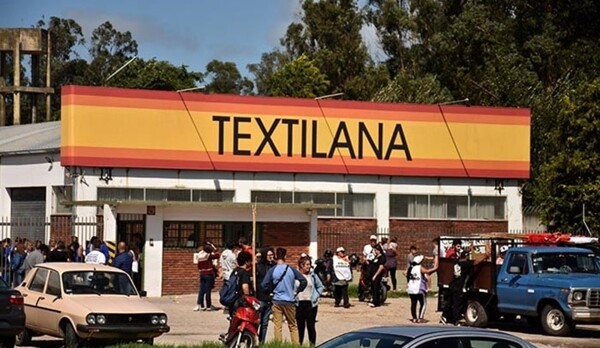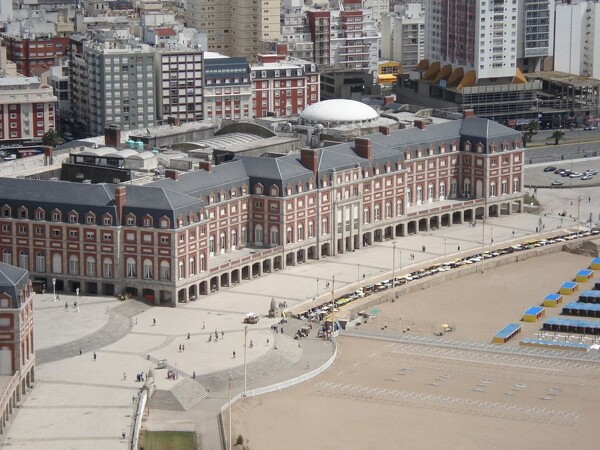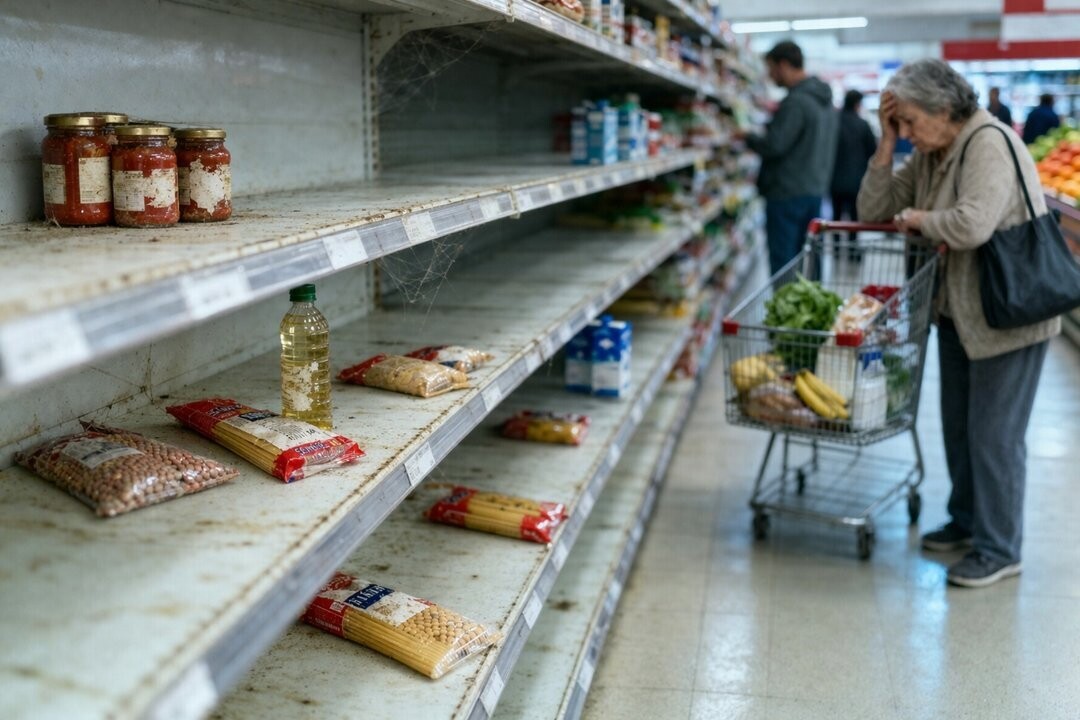
Mar del Plata, March 29 (NA) — The president of the Assembly of Small and Medium-Sized Entrepreneurs (Apyme) in Mar del Plata, Gustavo Casciotti, stated that some products "are no longer on the market" and that the traditional supermarket "practically no longer exists." According to the Argentine News Agency, Mar del Plata is one of the cities hardest hit by the economic crisis, with high unemployment and a growing and dangerous insecurity. Mar del Plata in crisis "In the need to cover the basics, such as food, clothing, and household items, consumers are starting to discover second or third brands," he stated in an interview with the local site 0223. Although he acknowledged a certain initial resistance to abandoning usual products, Casciotti emphasized that "sooner or later, they end up exploring new alternatives to optimize those pesos." In this context, he detailed that essential items—such as oil, pasta, cookies, or milk—continue to sell, while others have simply stopped being sold. "There are products that are dying on the shelves, without the rotation they had a couple of years ago," he warned. Among them, he mentioned specific cleaners and household items, which have been replaced by cheaper options like soap or bleach. Debt and limitations on credit card quotas have led many consumers to reduce their purchases at large supermarkets. "There are a huge number of people with compromised cards, who barely pay the minimum, which forces them to be extremely careful with their spending," he explained. In this scenario, neighborhood businesses, such as corner stores and general stores, are taking center stage, where purchases tend to be smaller and more frequent. "Buying 15 or 20 products at a supermarket is no longer on the radar of the average Mar del Plata resident," he stated. Casciotti also described a profound change in consumption dynamics: "Monthly or bi-weekly shopping trips are a thing of the past." In their place, a daily logic prevails, where many families buy just enough for each meal. "It may seem absurd, but there is a huge number of customers who decide on the spot what they are going to consume," he indicated, linking it to a lack of money and the need to adjust spending to daily income. For the leader, this is a "biorradical" change in the face of consumption, reflecting the direct impact of the crisis on the daily lives of households in Mar del Plata. According to the Apyme representative, there is a "permanent intention" to take advantage of discounts and benefits to stretch the value of money. Additionally, he noted a change in shopping locations. Even products like air fresheners or waxes have become exceptions within habitual purchases. Another key factor is the use of bank promotions to sustain consumption.